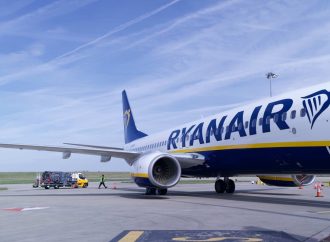


Expect higher short‑haul fares if oil prices stay elevated — Ryanair warns that less‑hedged rivals may struggle to maintain capacity or even survive the winter.
Ryanair is cutting winter capacity because of jet fuel prices.
Some have surged to some of the highest levels seen in years, making many winter routes unprofitable.
The airline says the Iran‑related conflict has pushed jet fuel to around $140 – $157 per barrel, more than 70% higher than at the start of 2026, forcing a strategic pullback across its network.
What Ryanair is doing
Reducing winter flying (Nov–Mar) to limit exposure to expensive unhedged fuel.
Cutting its fiscal 2027 passenger target from 216 million to 214 million.
Expecting to carry 2 million fewer passengers this financial year.
Keeping winter capacity broadly flat year‑on‑year, instead of growing it.
Forecasting winter losses to fall by €70–€100 million thanks to these cuts.
Why fuel costs are the problem
Jet fuel has spiked due to the Iran/Gulf conflict, reaching $140–$157 per barrel.
Ryanair has hedged 80% of its fuel at about $67 per barrel, but the remaining 20% is exposed to market prices.
Winter is traditionally a loss‑making season, so high fuel costs hit harder.
Where cuts are happening
Belgium: Five aircraft removed from Charleroi; 2 million seats cut from Brussels schedules.
Greece: Thessaloniki base closed; multiple routes withdrawn (e.g., Athens–Milan, Chania–Paphos).
Additional reductions in France, Germany, Netherlands, Austria, and some UK regional airports.
What this means for travellers
Expect higher short‑haul fares if oil prices stay elevated — Ryanair warns that less‑hedged rivals may struggle to maintain capacity or even survive the winter.
Summer 2027 should still be strong, with traffic expected to rise 5%+, but fares may increase.